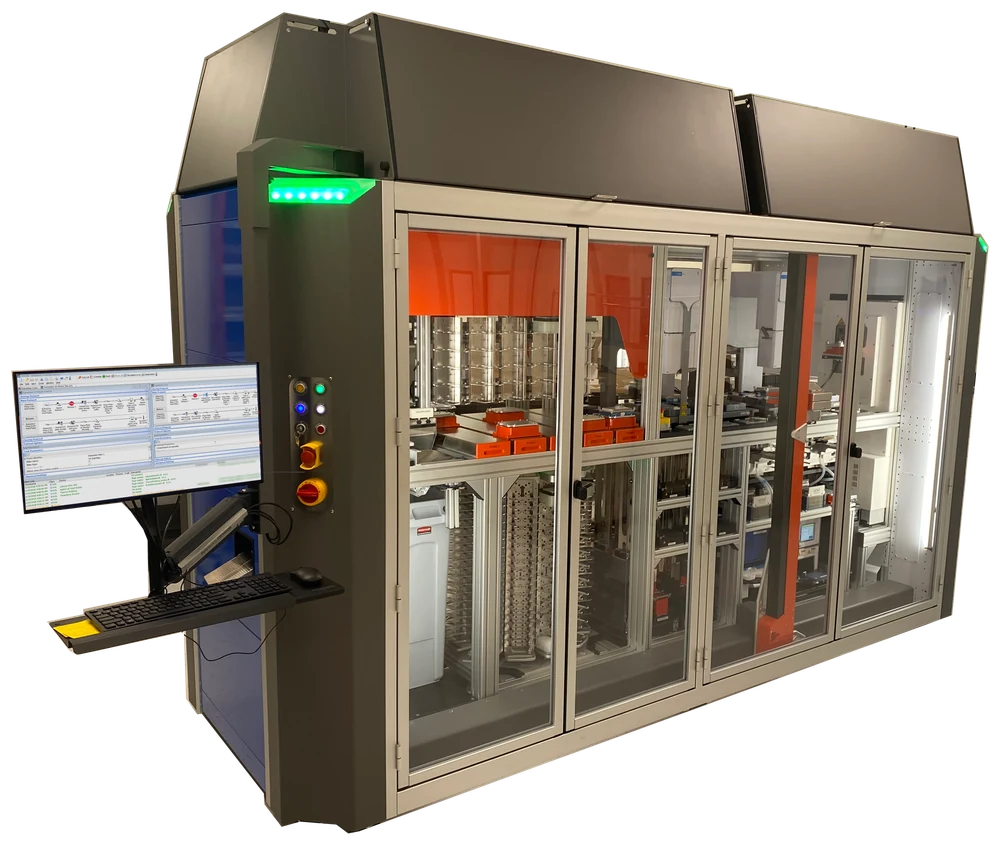
Integrated automation
Hive
Bring instruments, robotics and storage together in one modular, vertical automation platform.
Move selected compounds or samples into new plates without building your process around fixed batches.

Start with the worklist, source plates and destination formats. Then shape the picking and verification steps around the samples you actually need.
Talk through your workflow| Seconds per pick | Picks per hour | 384 picks | 1,000 picks | 10,000 picks |
|---|---|---|---|---|
| 2.5 s | 1,440 | 16 min | 42 min | 6.9 h |
| 3 s | 1,200 | 19 min | 50 min | 8.3 h |
| 4 s | 900 | 26 min | 1.1 h | 11.1 h |
| 5 s | 720 | 32 min | 1.4 h | 13.9 h |
Continuous picking time, before plate exchanges and run setup. Your pick time depends on labware, volumes and deck layout; our applications team will confirm it for your method.
Illustrative product selection. Final configuration depends on the method, labware and intended use.
Bring instruments, robotics and storage together in one modular, vertical automation platform.
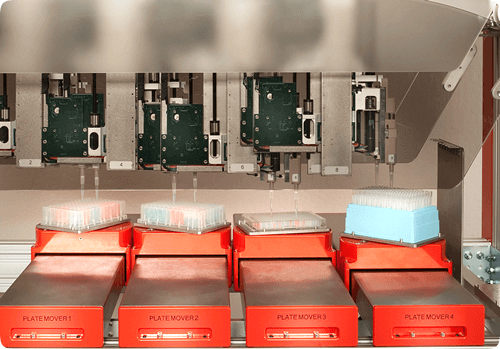
Flexible sample transfers and hit picking, with plates exchanged while pipetting continues.
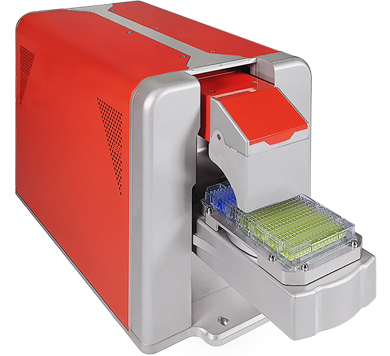
Verify sample levels and detect missing vessels or unexpected surface heights.
Our applications team starts with your method and the constraints that matter to you.
Bring us your process. Let’s work through the possibilities.