Load prepared samples.
Identify the extraction or preparation performed upstream, then load the resulting source plates into Hive storage. Plate identifiers connect the samples to the study’s worklist.
Explore sample handling for genomics, trait screening and agricultural research workflows.
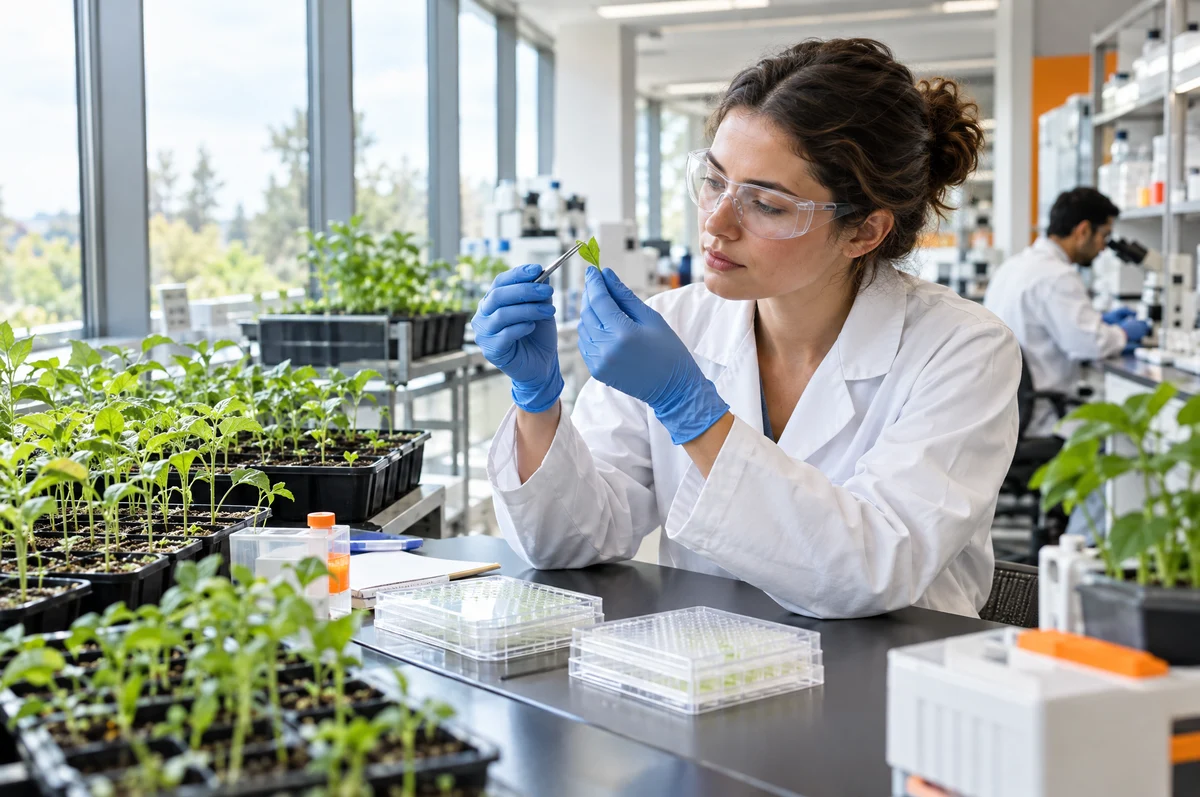
Start with the samples, plate formats and seasonal workload you expect. Explore where coordinated sample handling can support your research as those needs change.
Talk through your workflowFor an agricultural genomics or trait-screening method, begin at the point where prepared samples are ready for the selected liquid handling and labware.
Identify the extraction or preparation performed upstream, then load the resulting source plates into Hive storage. Plate identifiers connect the samples to the study’s worklist.
Hive brings plates to BumbleBee for the required transfers, controls and replicates. The robot connects compatible processing devices selected for the assay, including HiG where centrifugation is required.
Move prepared plates to a compatible configured reader or to the agreed downstream handoff. Plan destination storage and removal around both a typical week and peak-season sample arrivals.
Simultaneous-access storage supports loading and unloading while a protocol runs. Size the storage and instrument mix around seasonal demand, lab space and the access operators need each day.
See how Hive moves a plate ↗Illustrative product selection. Final configuration depends on the method, labware and intended use.
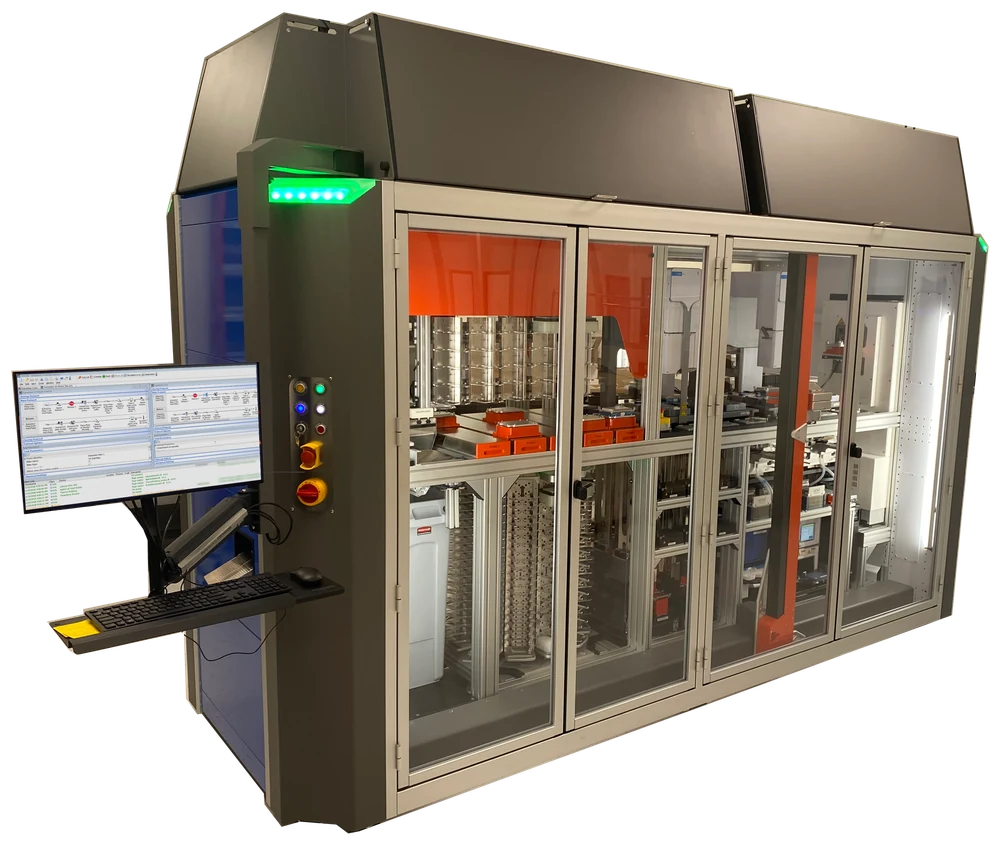
Bring instruments, robotics and storage together in one modular, vertical automation platform.
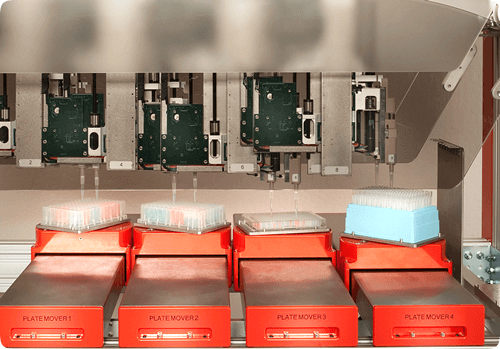
Flexible sample transfers and hit picking, with plates exchanged while pipetting continues.
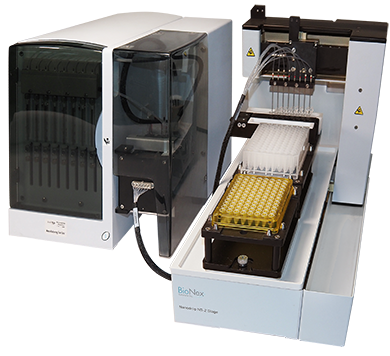
Low-volume aspiration and dispensing for assay miniaturization and precious reagents.
Our applications team starts with your method and the constraints that matter to you.
Bring us your process. Let’s work through the possibilities.
The preparation required for raw material depends on your method. Define the extraction or processing equipment separately and identify the liquid-handling-ready input for the automated section.
That depends on the methods, equipment, labware and separation requirements. Map both workflows and their scheduling needs before planning shared resources.