Map the identified input.
Define how accession records connect to source plates and destination wells. Specify worklists and barcode checks before planning the robot’s retrieval sequence.
Discuss automated sample handling, process visibility and traceability for your testing workflow.
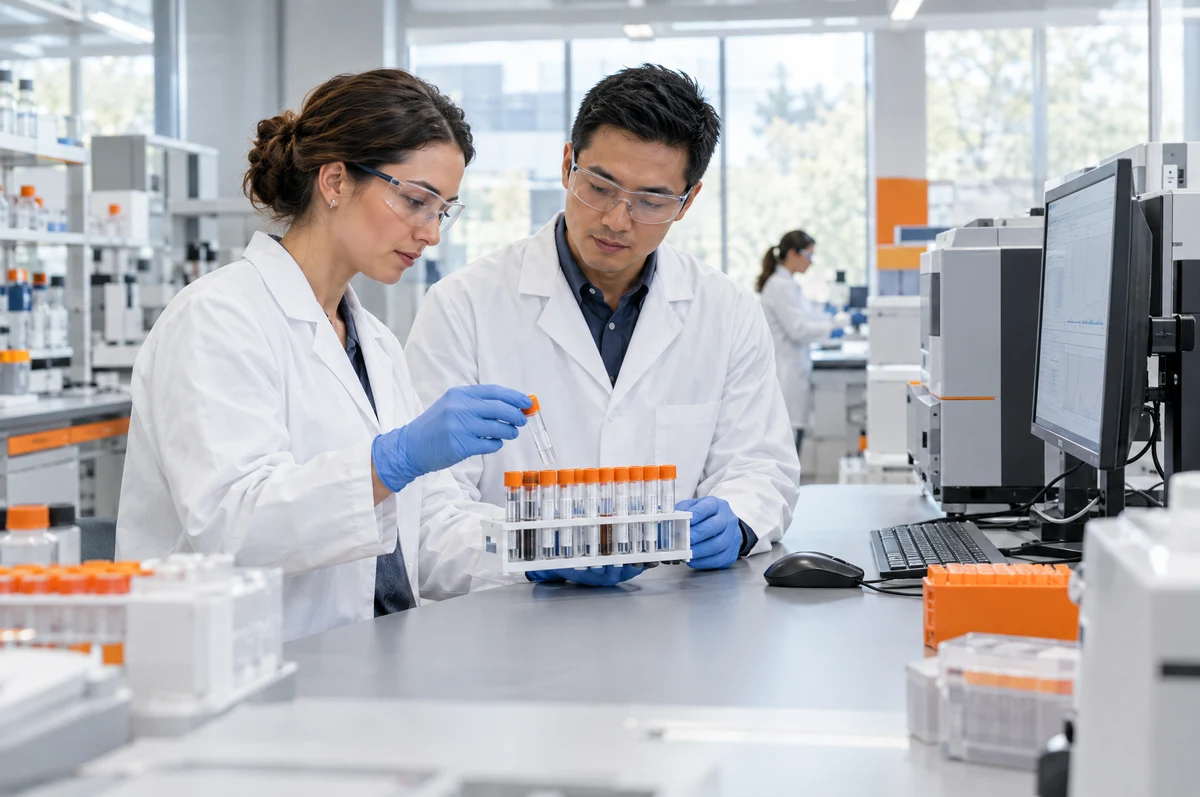
Bring your sample types, tracking requirements and preparation steps. Discuss a configuration around those requirements and the validation your intended use needs.
Talk through your workflowFor a plate-based preparation method, review how Hive could connect source storage, liquid handling and compatible processing devices within your laboratory’s defined controls.
Define how accession records connect to source plates and destination wells. Specify worklists and barcode checks before planning the robot’s retrieval sequence.
Hive moves plates between configured liquid handling and processing equipment. BumbleBee performs the specified transfers, and HiG can connect a required centrifugation step when the labware and operating conditions fit.
Send prepared plates to destination storage or the agreed analytical handoff. Define the records, acceptance checks and operator decisions needed for reruns, missing vessels or interrupted processing.
Plan operator access, loading procedures and exception recovery with the laboratory. Intended use, method validation and applicable requirements govern the suitability of the final configuration.
See how Hive moves a plate ↗Illustrative product selection. Final configuration depends on the method, labware and intended use.
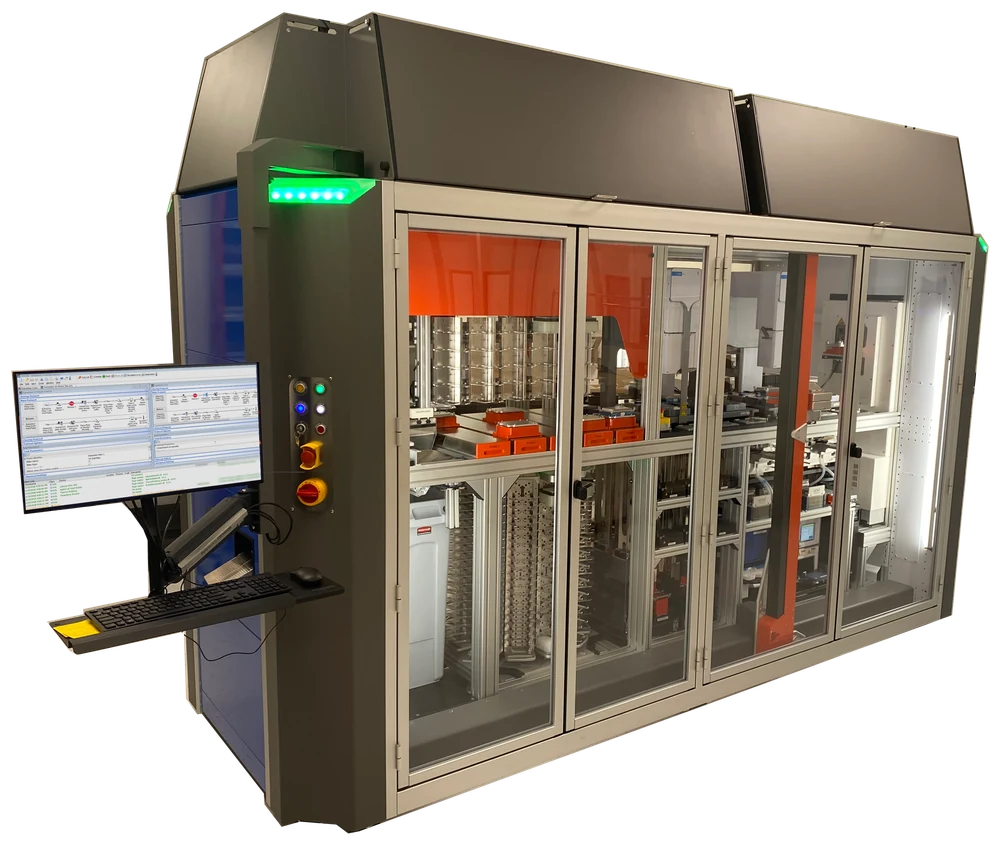
Bring instruments, robotics and storage together in one modular, vertical automation platform.
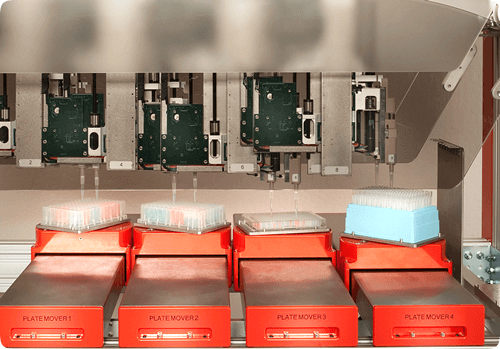
Flexible sample transfers and hit picking, with plates exchanged while pipetting continues.
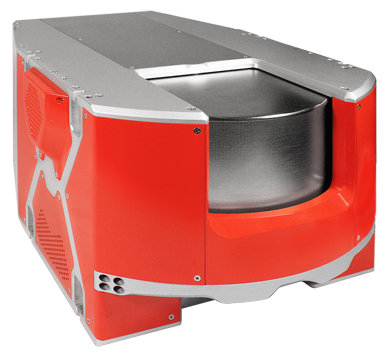
Robot-accessible centrifugation with imbalance monitoring before and during a run.
Our applications team starts with your method and the constraints that matter to you.
Application discussion does not establish suitability for clinical use. Intended use, process validation and applicable requirements must be defined with your team.
Bring us your process. Let’s work through the possibilities.
No. Intended use, method validation, documentation and applicable requirements need to be established for your specific process. Discuss these requirements at the start of the project.
Potential integration depends on robotic access, supported labware and software interfaces. Share exact device models and the workflow controls your laboratory requires.